
Overview
- Memory Care, Large Community
- 70
Description
Call Cindy at Certus At Mount Dora To Book a Tour:
(352) 761-7751
About CERTUS at Mount Dora
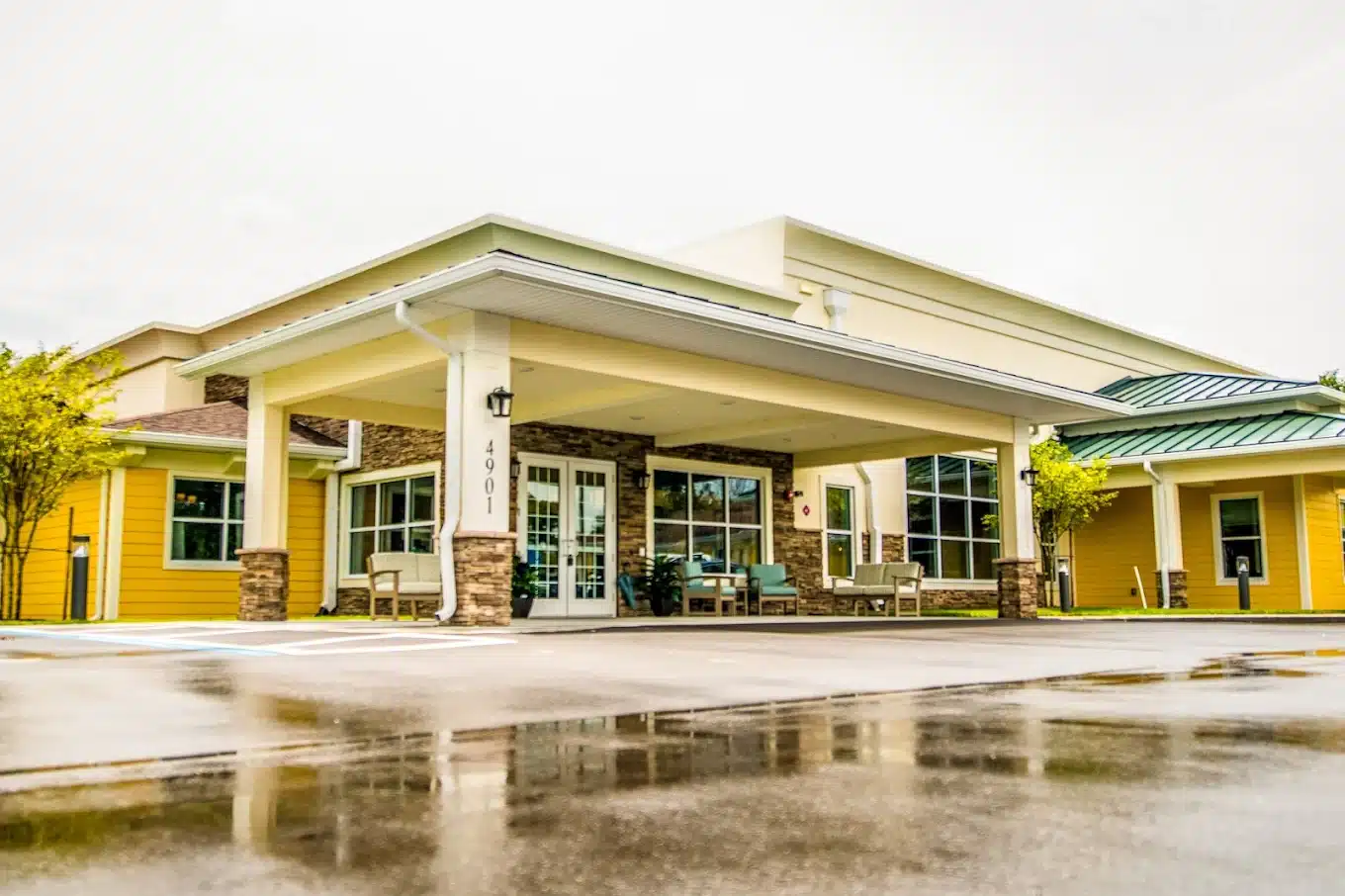
CERTUS at Mount Dora is located northwest of downtown Orlando, just 3 miles down the road from the idyllic downtown of Mount Dora. Long known for its vibrant arts scene, historic lakeside shopping and antique district, Mount Dora is home to a thriving medical community with the major, regional facility, AdventHealth Waterman Hospital. Several other specialty medical facilities are afforded throughout a tri-city area that includes Mount Dora, Tavares, and Eustis.
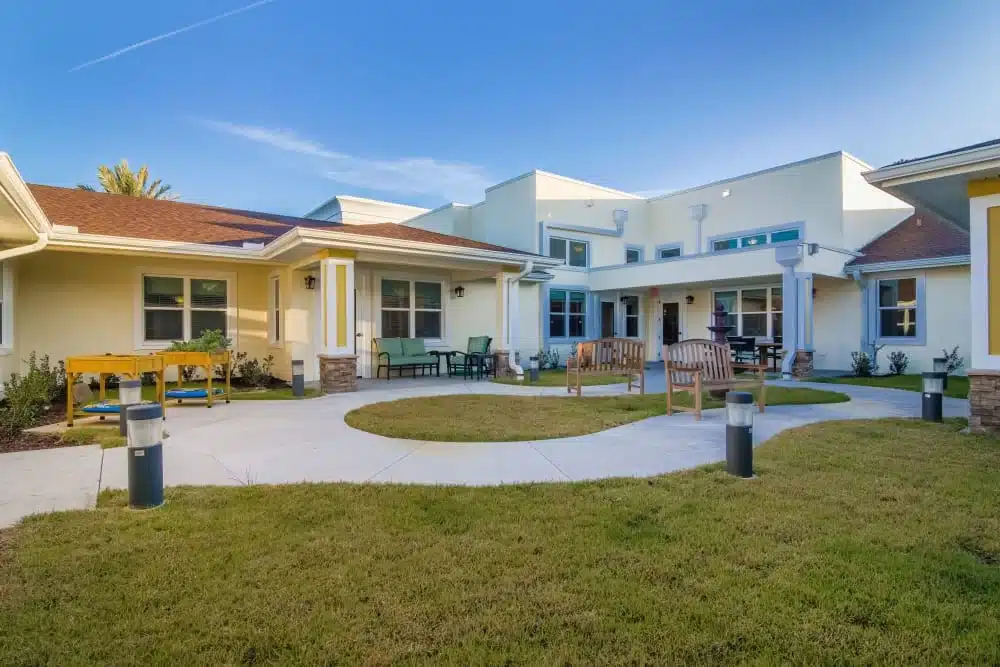
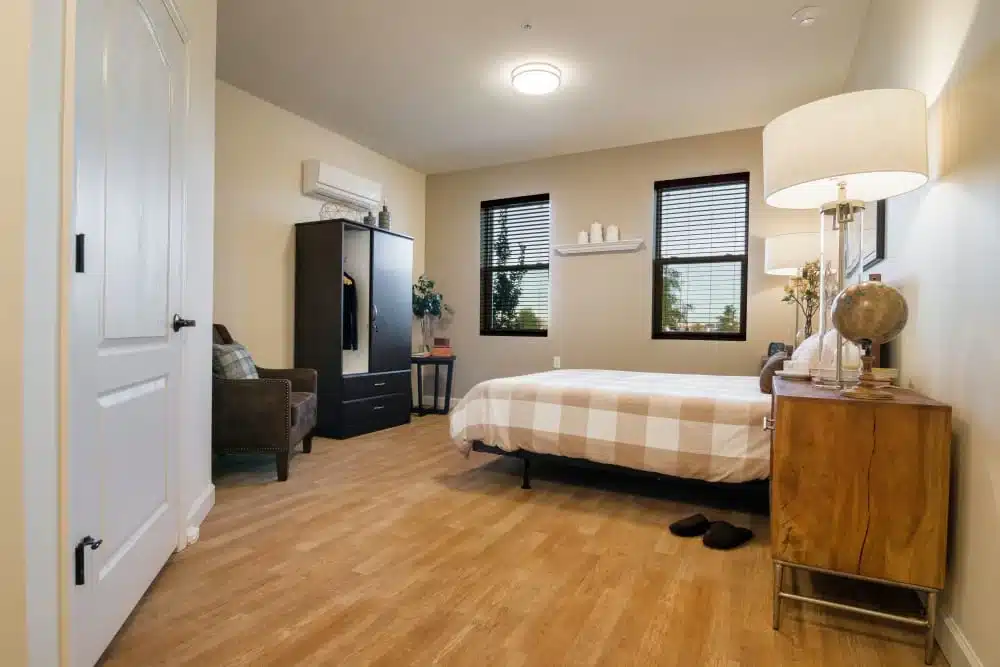
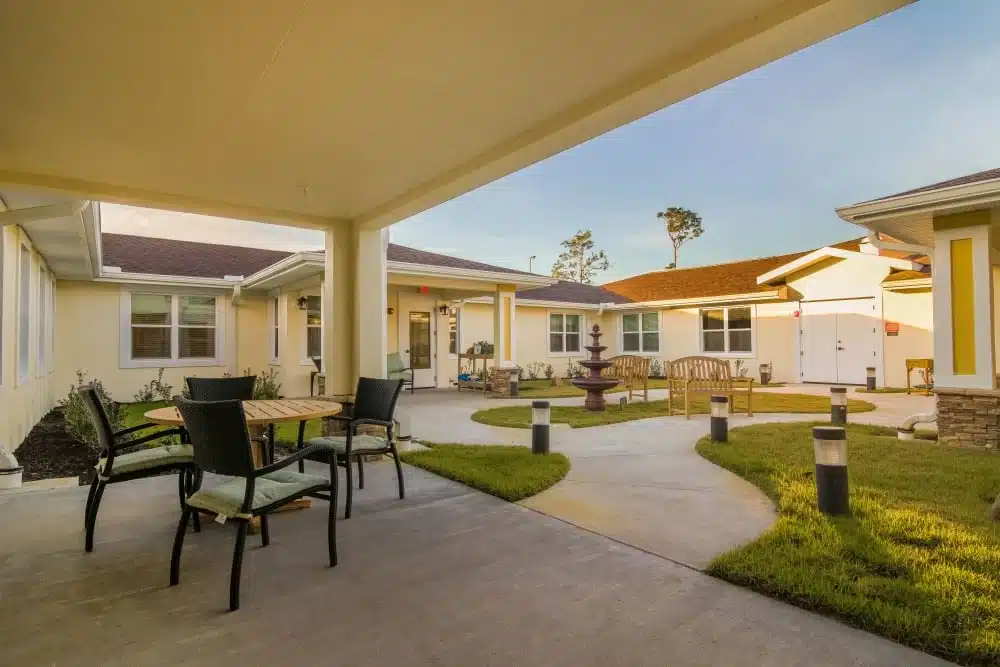
CERTUS communities offer 64 private suites within residential neighborhoods that are safe, comfortable and provide our residents with the familiarity of having just walked into their own home.
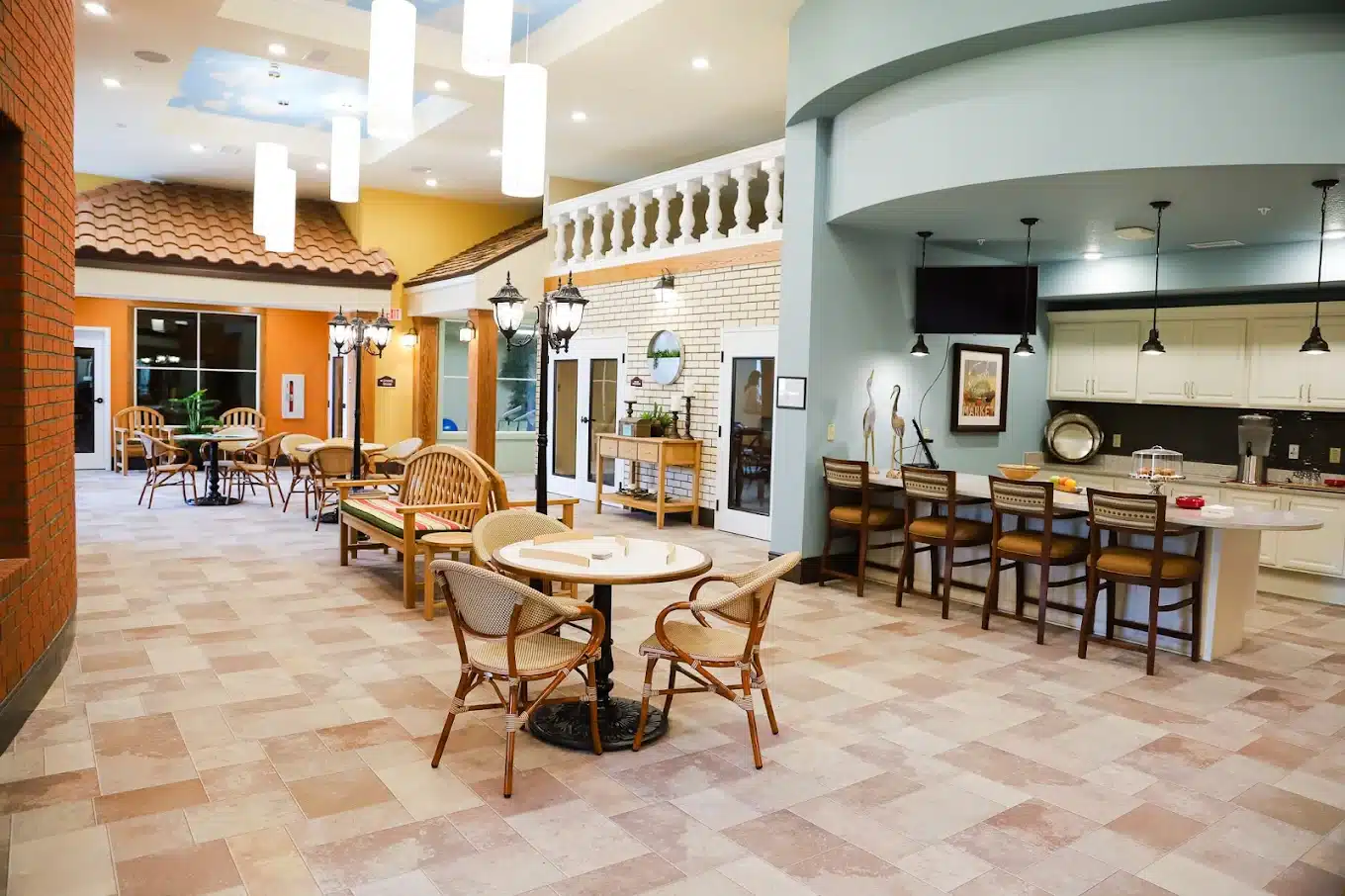
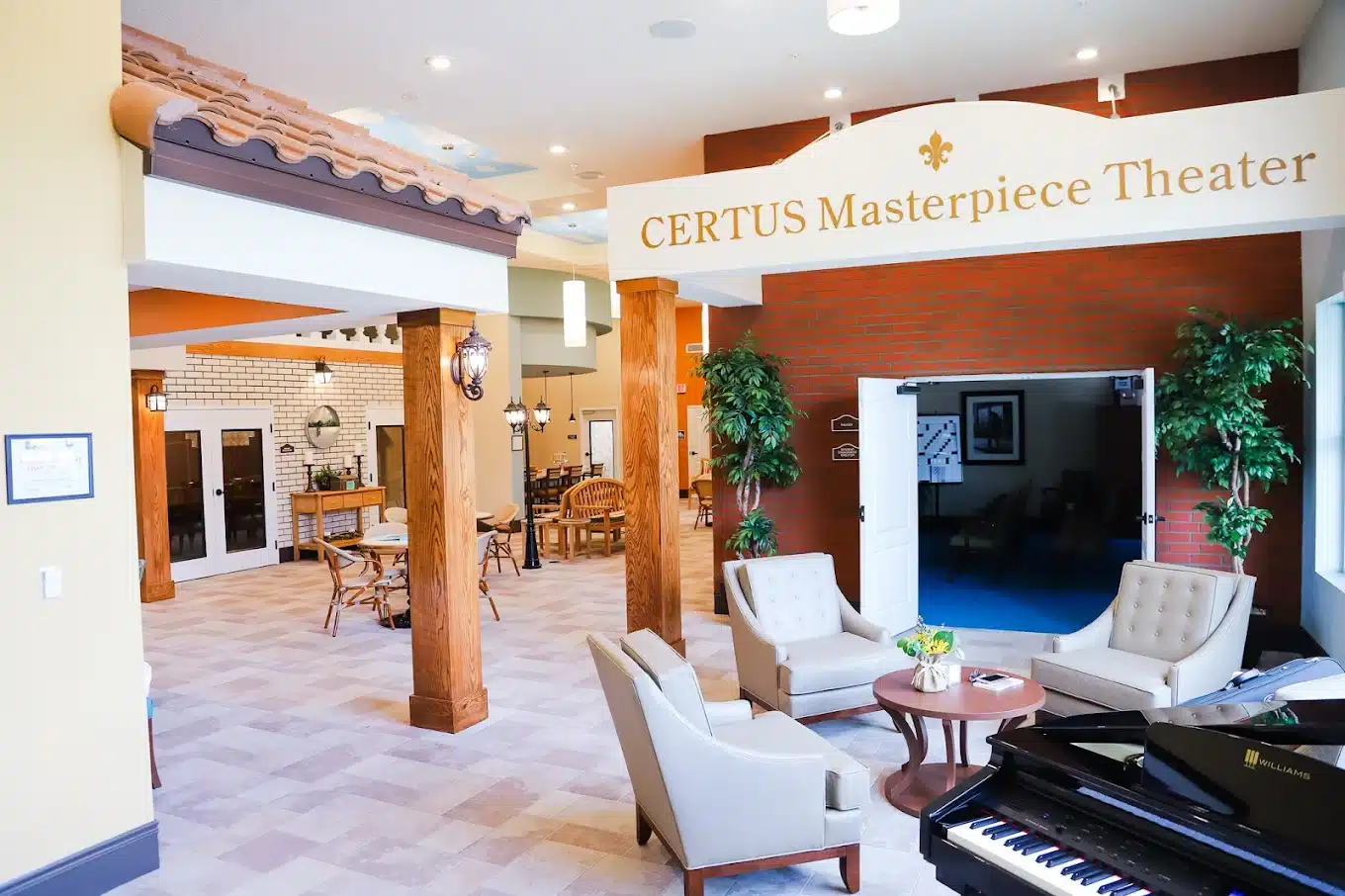
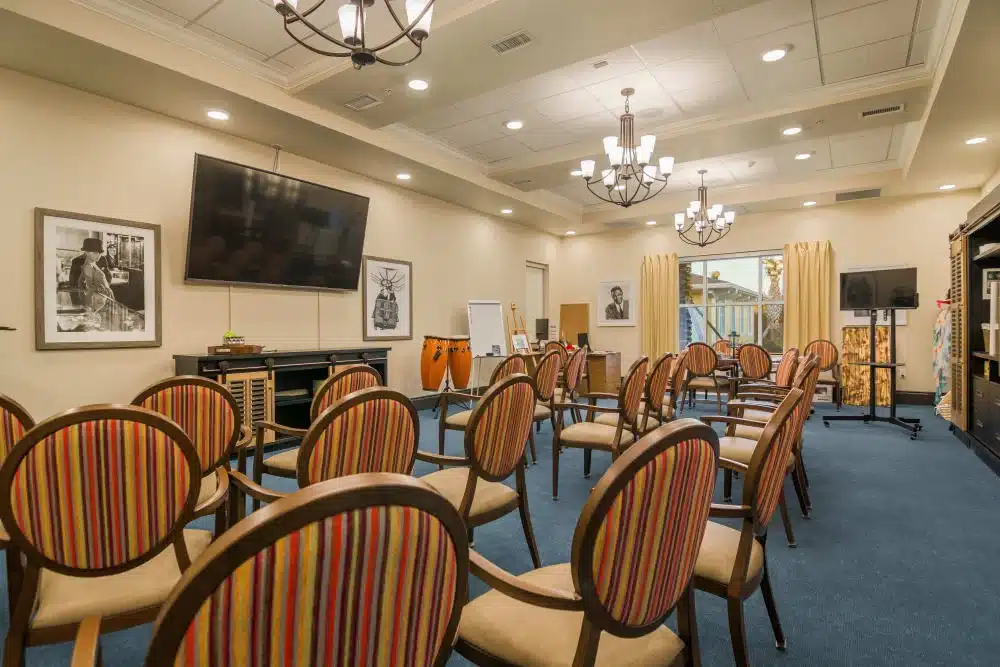
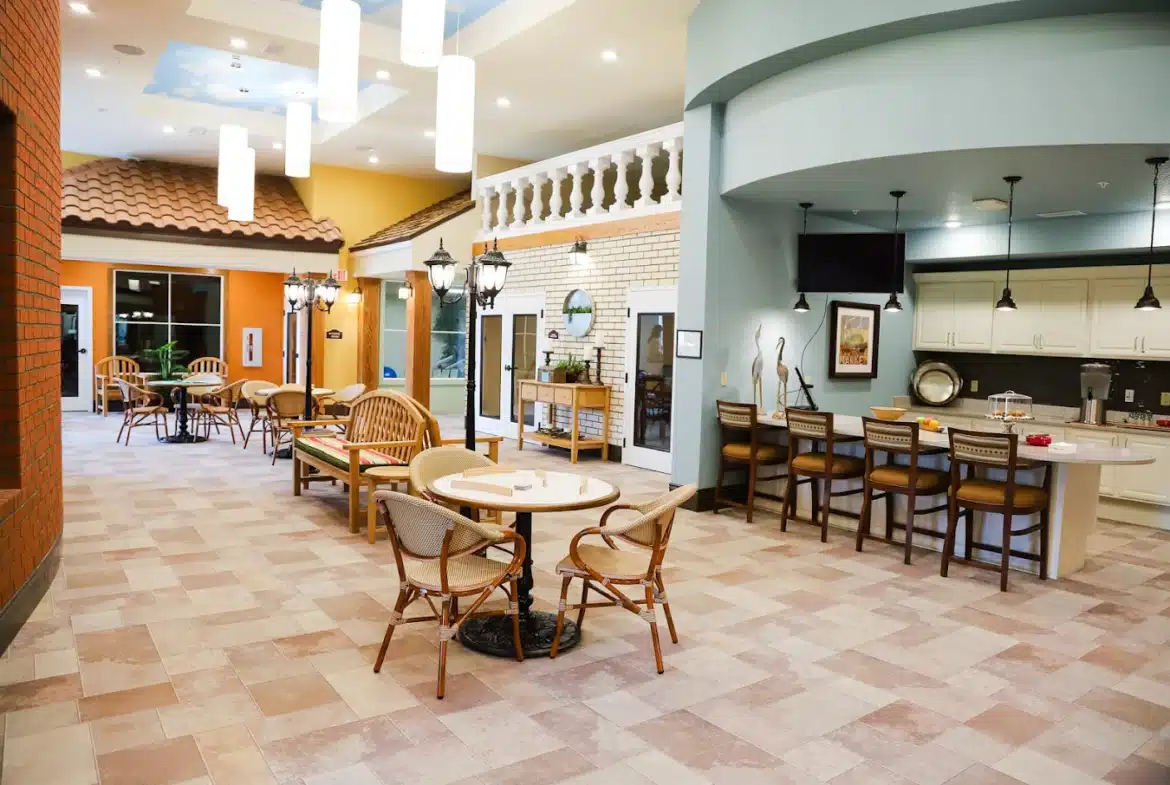
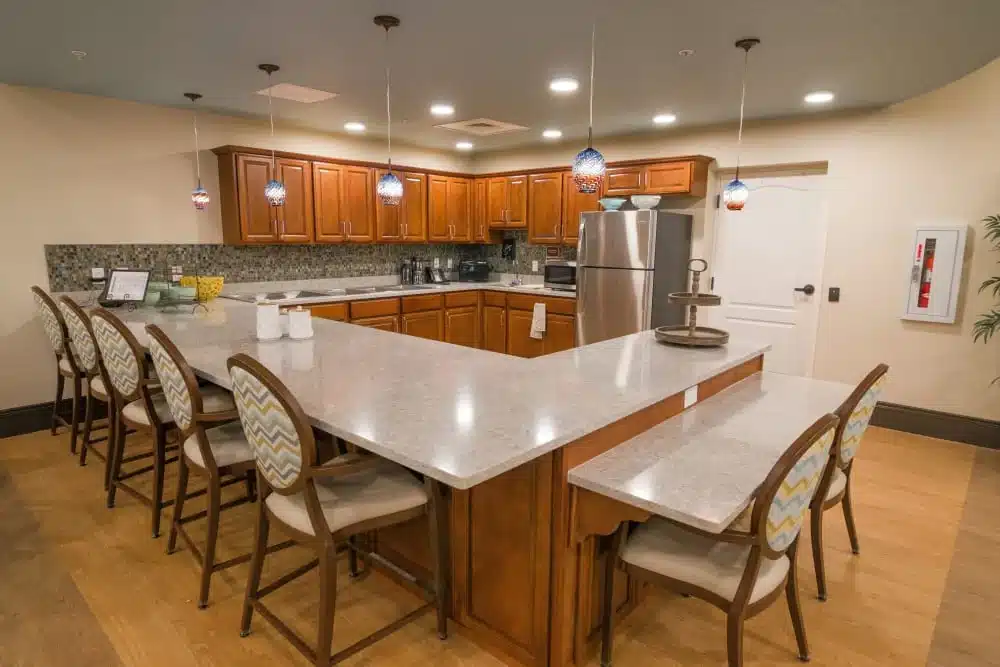
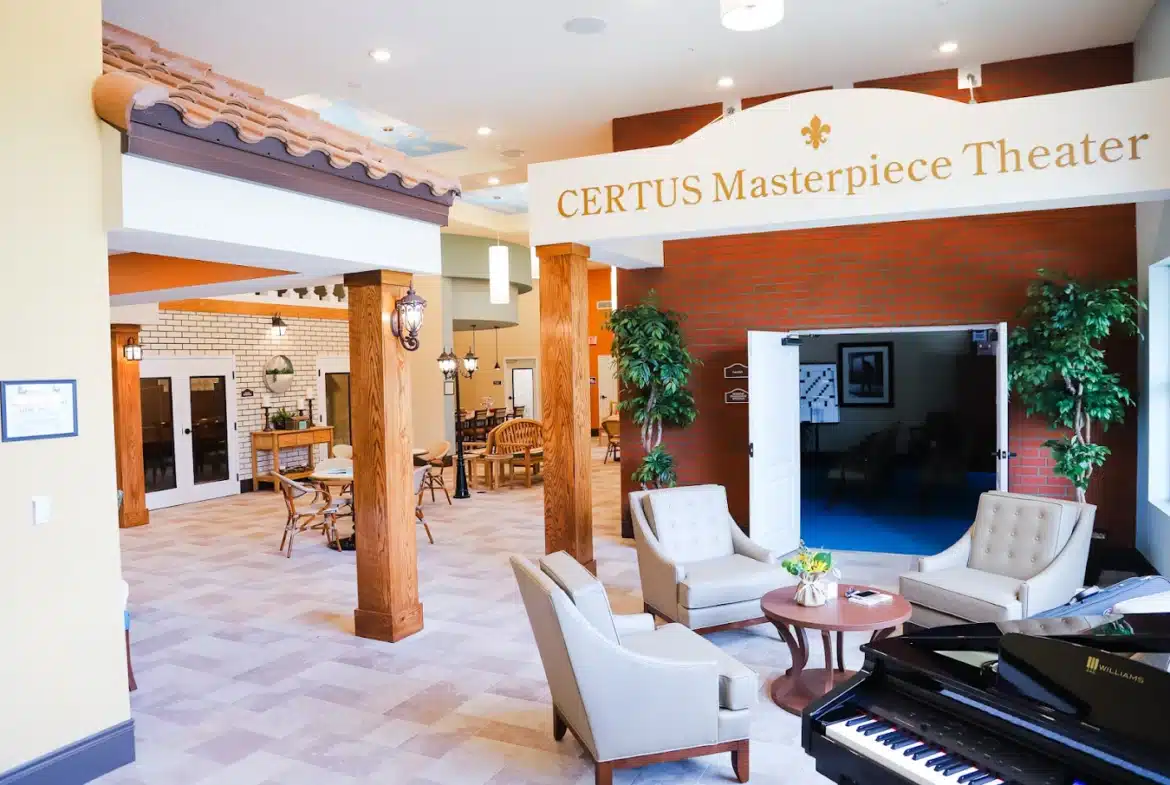
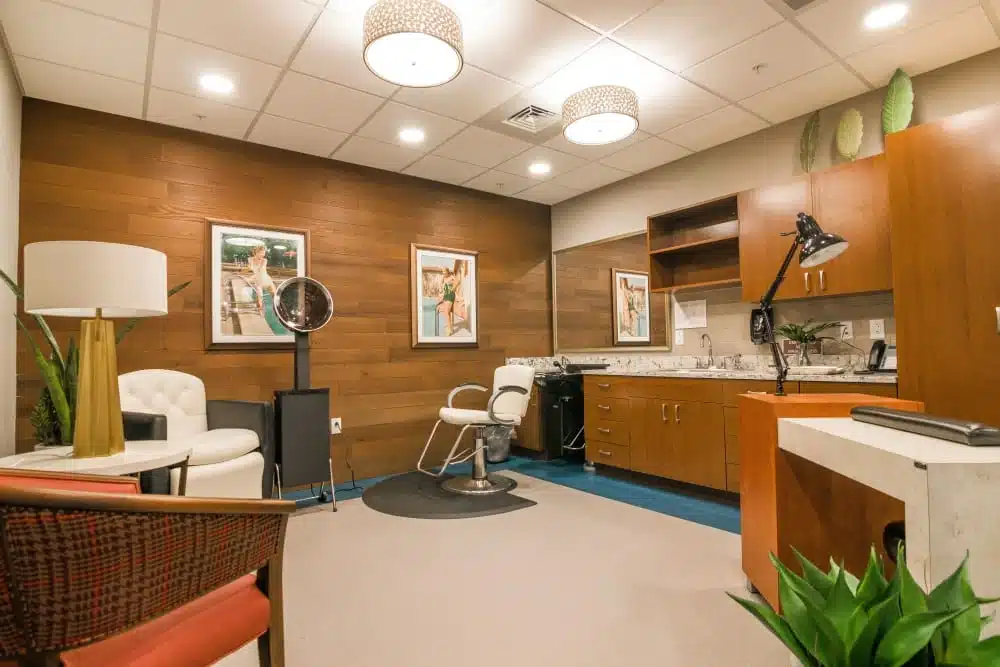
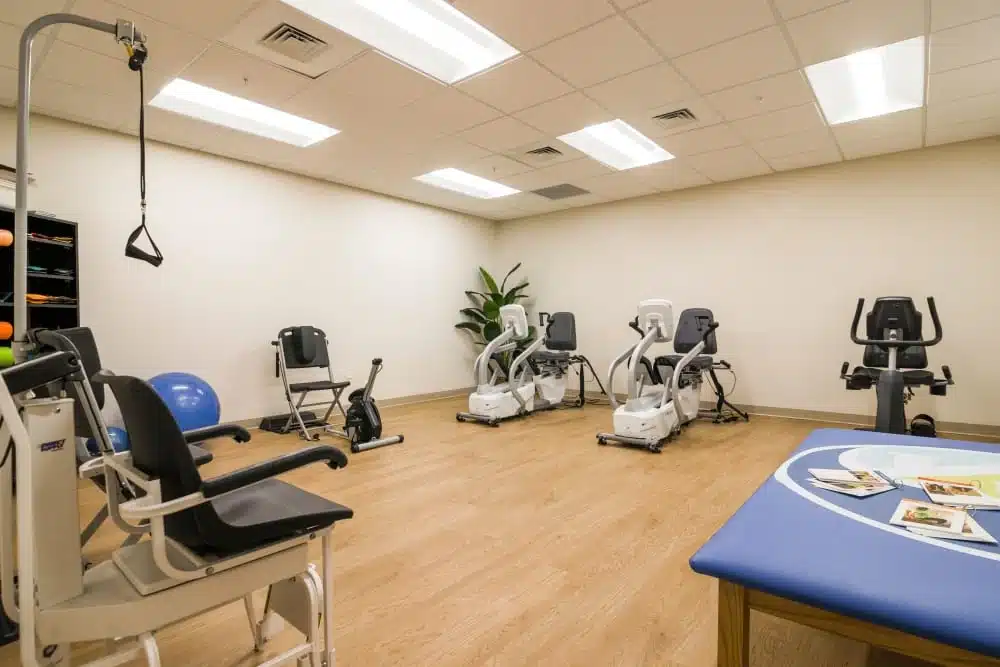
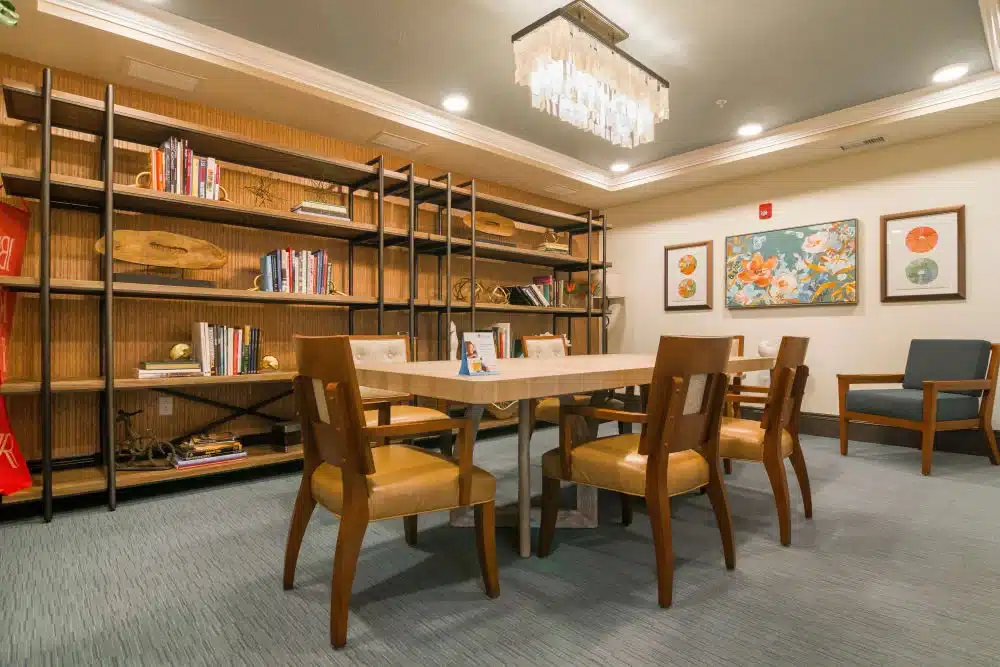
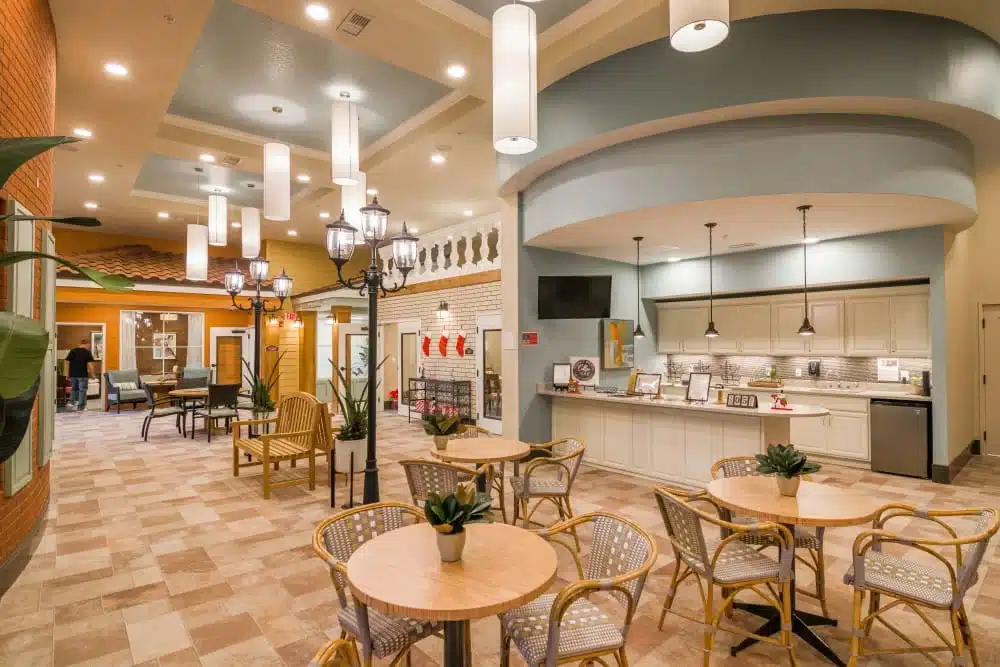
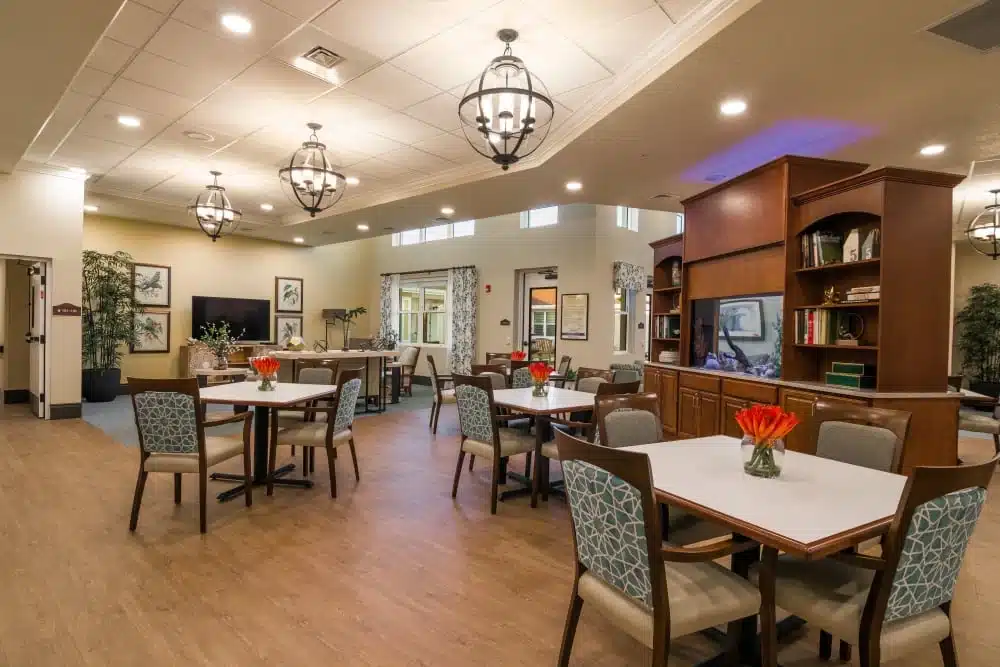
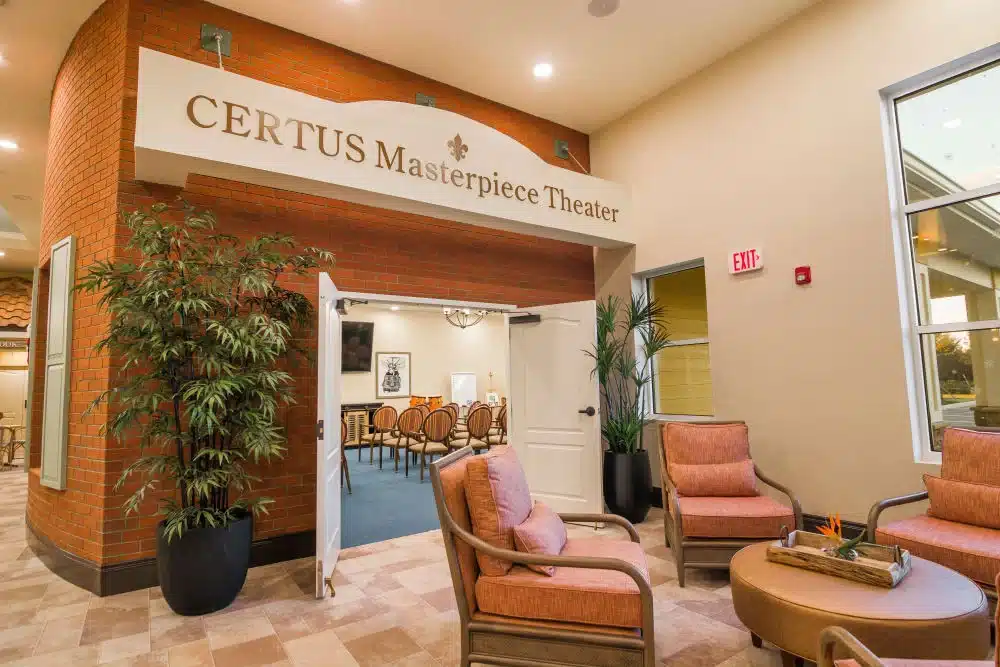
Just beyond the neighborhoods, our residents are afforded an evidence-based Town Center to explore and find purpose within their day. This area allows the residents and their families an array of choices under one roof including the CERTUS Masterpiece Theater, Fitness Center, salon, bistro, post office, library, and a Private Dining Room which families can reserve.
Our core commitment is to care for more than the diagnosis. We choose to provide a premier lifestyle offering through a whole-person wellness approach.
Premier Memory Care Living
We specialize in:
Dementia
There are over 100 different types of dementia. Dementia is not a specific disease. It’s an overall term that describes a wide range of symptoms associated with a decline in memory or other thinking skills severe enough to reduce a person’s ability to perform everyday activities. The two most common examples of dementia are Alzheimer’s disease (60-80% of cases), and Vascular dementia. While symptoms of dementia can vary greatly, often at least two of the following mental functions are significantly impaired to be considered dementia: memory, communication and language, ability to focus and pay attention, reason and judgments, and visual perception.
Alzheimer’s Disease
Alzheimer’s is the most common type of dementia, affecting memory, thinking, and behavior. It is not a normal part of aging. The greatest known risk factor is increasing age, as most people with Alzheimer’s are 65 and older. However, Alzheimer’s is not just a disease of old age, and approximately 200,000 Americans under the age of 65 have younger-onset Alzheimer’s disease. There is no cure, but treatments can help manage symptoms. Research continues toward new advancements.
Parkinson’s Disease
Parkinson’s disease is a long-term disorder of the central nervous system which leads to progressive deterioration of motor function due to loss of dopamine-producing brain cells. Primary symptoms include tremors, stiffness, slowed movement, impaired balance, and, later on, a shuffling gait. Dementia also becomes common in advanced stages. Like Alzheimer’s, there is no cure for Parkinson’s disease, but current treatment plans have shown impressive improvement in symptoms.
Frontotemporal Dementia
Frontotemporal dementia (FTD) is a progressive brain disorder primarily affecting frontal and temporal lobes of the brain, which are responsible for behavior, personality, language, and movement. Unlike Alzheimer’s disease, which primarily impacts memory, FTD is characterized by significant changes in behavior and personality, as well as difficulties with language and motor skills. Symptoms can include inappropriate social behavior, loss of empathy, compulsive actions, and difficulty in understanding or producing speech. As the disease progresses, individuals may experience increasing difficulty in managing daily activities and maintaining personal relationships. Although the exact cause of FTD is unknown, it is linked to abnormal protein deposits in the brain. Currently, there is no cure for FTD, but treatments and therapies can help manage symptoms and improve quality of life.
Lewy Body Dementia
Lewy Body Dementia (LBD) is a complex and progressive neurological disorder that is marked by the presence of abnormal protein deposits, called Lewy bodies, in the brain. These deposits affect chemicals in the brain, leading to a decline in cognitive abilities, visual hallucinations, and variations in alertness and attention. LBD often also causes symptoms similar to Parkinson’s disease, such as muscle stiffness, tremors, and difficulties with movement. People with LBD may experience rapid eye movement (REM) sleep behavior disorder, which involves acting out dreams. Because of its wide range of symptoms and overlap with other conditions, LBD can be challenging to diagnose. While there is currently no cure, treatments can help manage symptoms, improve quality of life, and provide support for both individuals and their families.
Vascular Dementia
Vascular dementia is a type of dementia caused by reduced blood flow to the brain, often resulting from a stroke or a series of small strokes, which leads to brain cell damage. This condition affects cognitive functions such as memory, thinking, and reasoning. Symptoms can vary widely depending on the location and extent of the brain damage, but often include difficulties with problem-solving, slowed thinking, disorientation, and trouble with concentration. Physical symptoms may also occur, such as difficulty walking or maintaining balance. Vascular dementia often progresses in a stepwise manner, with sudden declines followed by periods of stability. Although there is no cure for vascular dementia, managing underlying conditions like high blood pressure, diabetes, and high cholesterol can help slow its progression and improve the quality of life for those affected.
Services & Amenities
- Secured community: Our premier community features a fully secured area with ample room for residents to safely explore.
- Room to roam: Residents have access to ample room to explore, ensuring cognitive stimulation.
- Vibrant Town Center: Our community offers access to a town center with familiar places like a post office, theater, fitness center, and salon to encourage social interaction and engagement.
- Clinical staff available 24/7: Our compassionate clinical staff is available all day, every day, to provide personalized care, including meticulous medication management.
- Dignified Dining: Our community offers a home-style dining atmosphere where residents can enjoy brain-healthy, gourmet meals while socializing.
Details
Updated on January 23, 2026 at 6:09 pmWelcome Video
3D Virtual Tour
Address
Open on Google Maps-
Zip/Postal Code: 32757
-
Area: The Villages - Central Florida
Features
Contact Information
Similar Communities

SERENADES BY SONATA – WEST ORANGE
720 ROPER RD, WINTER GARDEN, FL 34787-5017
THE SPRINGS LADY LAKE ASSISTED LIVING
620 GRIFFIN AVE LADY LAKE, FL 32159
REGENCY PARK ASSISTED LIVING AND MEMORY CARE
15000 HWY 441 EUSTIS, FL 32726